
 |
 |
|
|
|
 |

- Almond Carrier Oil
- Apricot Carrier Oil
- Aloevera Carrier Oil
- Avocado Essential Oil
- Ajwain Essential Oil
- Basil Essential Oil
- Bergamot Oil
- Cinnamon Essential Oil
- Clove Essential Oil
- Cardamom Essential Oil
- Clary Sage Essential Oil
- Chamomile Essential Oil
- Carrot Seed Essential Oil
- Camphor Essential Oil
- Cypress Essential Oil
- Citronella Essential Oil
- Citronella Essential Oil
- Cumin Oil
- Cedarwood Essential Oil
- Dill Seed Oil
- Eucalyptus Essential Oil
- Fennel Essential Oil
- Geranium Essential Oil
- Grapefruit Essential Oil
- GreenTea Absolute Oil
- GrapeSeed Carrier Oil
- Grapefruit Essential Oil
- Ginger Oil
- Holy Basil Oil
- Juniper Essential Oil
- Jojoba Essential Oil
- Jasmine Essential Oil
- Jojoba Carrier Oil
- Juniper Essential Oil
- Lime Essential Oil
- Lavender Essential Oil
- Lemon Grass Oil
- Lemon Oil
- Mandarin Essential Oil
- Neem Essential Oil
- Neroli Essential Oil
- Nutmeg Essential Oil
- Orange Essential Oil
- Patchouli Essential Oil
- Palmarosa Essential Oil
- Peppermint Essential Oil
- Peppermint Oil
- Pine Oil
- Rose Mary Essential Oil
- RoseWood Essential Oil
- Sandalwood Essential Oil
- Spearmint Oil
- Spikenard Oil
- Tea Tree Essential Oil
- Tagetes Oil
- Vetivert (KHUS) Essential Oil
- Walnut Carrier Oil
- Ylang Ylang Essential Oil

Home »
Our Products » Aromatherapy
Aromatherapy
Aromatherapy, also referred to as Essential Oil
therapy, can be defined as the art and science of utilizing naturally
extracted aromatic essences from plants to balance, harmonize and
promote the health of body, mind and spirit.
Basil Essential Oil
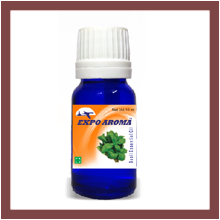 |
Our Basil essential oil is extracted from the
herb Ocimum basilicum, of the Lamiaceae (Labiatae) family. It is also
known as European, French, common or sweet basil. When used on the skin,
it helps to control acne. In general it refreshes the skin.
Oil Properties
The oil has a watery viscosity and is pale greenish-yellow in color. The aroma is clear, light and peppery and gives a sweet, green top note to blends. The essential oil comes from North Africa, Cypress, Seychelles and Europe.
Origin of Basil
Basil originates from tropical Asia and the Pacific Islands, but is now cultivated throughout Europe and the USA. The plant is an annual hairy herb growing up to 1 meter (3 feet).
The flowers range from white to pink, depending on the species and attract swarms of bees in summer time. Basilicum comes from the Greek word 'Basilicos' meaning 'king' or 'royal'.
A much favored herb in India, it is held sacred to Krishna and Vishnu, and the leaves are even chewed before taking part in religious ceremonies.
It is said to have protective qualities, a Basil leave is placed on the chest of a Hindu when resting. It is also used in Ayurvedic and Chinese medicine.
Uses
Basil oil is a good tonic for the treatment of nervous disorders and stress related headaches, migraines and allergies. It is used to clear the mind and relieve intellectual fatigue, while giving clarity and mental strength.
It has a beneficial action on the respiratory tract and is often used for asthma, bronchitis and sinus infections. It furthermore is also effective in cases of constipation, nausea, vomiting and cramp, and is also good when used for menstrual problems.
Due to the emmenagogue properties, it is often used to relieve scanty periods and normalizing menses.
It helps to minimize uric acid in the blood, thus relieving gout. It is useful in arthritis as well and when used on the skin, it helps to control acne. In general it refreshes the skin and can also be used on insect bites.
Oil Properties
The oil has a watery viscosity and is pale greenish-yellow in color. The aroma is clear, light and peppery and gives a sweet, green top note to blends. The essential oil comes from North Africa, Cypress, Seychelles and Europe.
Origin of Basil
Basil originates from tropical Asia and the Pacific Islands, but is now cultivated throughout Europe and the USA. The plant is an annual hairy herb growing up to 1 meter (3 feet).
The flowers range from white to pink, depending on the species and attract swarms of bees in summer time. Basilicum comes from the Greek word 'Basilicos' meaning 'king' or 'royal'.
A much favored herb in India, it is held sacred to Krishna and Vishnu, and the leaves are even chewed before taking part in religious ceremonies.
It is said to have protective qualities, a Basil leave is placed on the chest of a Hindu when resting. It is also used in Ayurvedic and Chinese medicine.
Uses
Basil oil is a good tonic for the treatment of nervous disorders and stress related headaches, migraines and allergies. It is used to clear the mind and relieve intellectual fatigue, while giving clarity and mental strength.
It has a beneficial action on the respiratory tract and is often used for asthma, bronchitis and sinus infections. It furthermore is also effective in cases of constipation, nausea, vomiting and cramp, and is also good when used for menstrual problems.
Due to the emmenagogue properties, it is often used to relieve scanty periods and normalizing menses.
It helps to minimize uric acid in the blood, thus relieving gout. It is useful in arthritis as well and when used on the skin, it helps to control acne. In general it refreshes the skin and can also be used on insect bites.
Cinnamon Essential Oil, Pure 10ml.
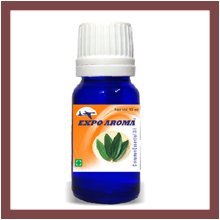 |
Cinnamon oil's benefit lies in its toning and
calming effect on the respiratory tract, the nervous system, and in the
easing of colds and influenza, as well as period pains. It also calms
the digestive system and helps with rheumatism and arthritis.
Oil Properties
Cinnamon leaf oil, which we sell, has a warm, spicy musky smell and the oil's color varies from yellow for the leaf oil and red-brown for the bark oil, which is not usually used in aromatherapy. The viscosity is medium to watery.
Origin of cinnamon oil
A native to Indonesia, but cultivated in Sri Lanka and India, the tree is rust-colored and can grow up to 15 meters (45feet), but is kept down to 6 feet for commercial reasons.
It has shiny, leathery green leaves and small, white flowers, with oval shaped purple berries. The bark is pale brown and papery, with thick quills that roll inside one another, and is gathered every 2 years.
The Greek word 'Kinnamon' means 'tube' or 'pipe'. Cinnamon oil was used as a temple incense, while the Egyptians used it for foot massage, as well as a remedy for excessive bile. It was also used as an ingredient for mulled wines, love potions and as a sedative during birth. It was an important trade commodity between India, China and Egypt.
Uses
Cinnamon oil can be used for infection of the respiratory tract, rheumatism, arthritis and general pains. It calms an exhausted feeling of depression, tones the whole body and stimulates the glandular system, thus easing period pains.
Oil Properties
Cinnamon leaf oil, which we sell, has a warm, spicy musky smell and the oil's color varies from yellow for the leaf oil and red-brown for the bark oil, which is not usually used in aromatherapy. The viscosity is medium to watery.
Origin of cinnamon oil
A native to Indonesia, but cultivated in Sri Lanka and India, the tree is rust-colored and can grow up to 15 meters (45feet), but is kept down to 6 feet for commercial reasons.
It has shiny, leathery green leaves and small, white flowers, with oval shaped purple berries. The bark is pale brown and papery, with thick quills that roll inside one another, and is gathered every 2 years.
The Greek word 'Kinnamon' means 'tube' or 'pipe'. Cinnamon oil was used as a temple incense, while the Egyptians used it for foot massage, as well as a remedy for excessive bile. It was also used as an ingredient for mulled wines, love potions and as a sedative during birth. It was an important trade commodity between India, China and Egypt.
Uses
Cinnamon oil can be used for infection of the respiratory tract, rheumatism, arthritis and general pains. It calms an exhausted feeling of depression, tones the whole body and stimulates the glandular system, thus easing period pains.
Clove Essential Oil, Pure 10ml.
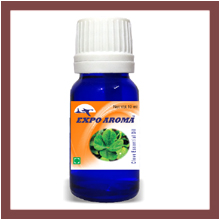 |
Although clove oil is a very potent oil that
should be used with great care in aromatherapy, it does have wonderful
properties - from stimulating the mind and lifting depression, to aiding
digestion, relieving pain in arthritis and rheumatism, easing
respiratory problems and assisting leg ulcers.
Oil Properties
Clove oil has a warm, strong, spicy smell and the oil is colorless to pale yellow with a medium to watery viscosity.
Origin of cinnamon oil
A native of Indonesia and the Malacca Islands, it is an evergreen tree that grows to about 10 meters (30 feet) tall and has bright green leaves and nail-shaped rose-peach flower buds which turn, upon drying, a deep red brown. These are beaten from the tree and dried.
The Latin word 'Clavus' means nail shaped, referring to the bud.
It was often used by the Greeks, Roman and the Chinese, to ease toothache and as a breath sweetener, especially when talking to the Emperor. It has antiseptic properties and was used in the prevention of contagious diseases, such as the Plaque.
It was an important commodity in the spice trade and is still used in perfumes, mulled wines and liqueurs, love potions, dental products and, stuck in an orange as pomade, an insect repellant.
Uses
Clove oil can be used for acne, bruises, burns and cuts, keeping infection at bay and as a pain reliever. It helps with toothache, mouth sores, rheumatism and arthritis.
It is beneficial to the digestive system, effective against vomiting, diarrhea, flatulence, spasms and parasites, as well as bad breath.
Clove oil is valuable for relieving respiratory problems, like bronchitis, asthma and tuberculosis. The disinfecting property is useful in cases of infectious diseases.
Placing a few drops of clove oil on a cotton ball and then placing the cotton ball in a linen cupboard will not only fragrance the cupboard, but will help to keep fish moths at bay.
Oil Properties
Clove oil has a warm, strong, spicy smell and the oil is colorless to pale yellow with a medium to watery viscosity.
Origin of cinnamon oil
A native of Indonesia and the Malacca Islands, it is an evergreen tree that grows to about 10 meters (30 feet) tall and has bright green leaves and nail-shaped rose-peach flower buds which turn, upon drying, a deep red brown. These are beaten from the tree and dried.
The Latin word 'Clavus' means nail shaped, referring to the bud.
It was often used by the Greeks, Roman and the Chinese, to ease toothache and as a breath sweetener, especially when talking to the Emperor. It has antiseptic properties and was used in the prevention of contagious diseases, such as the Plaque.
It was an important commodity in the spice trade and is still used in perfumes, mulled wines and liqueurs, love potions, dental products and, stuck in an orange as pomade, an insect repellant.
Uses
Clove oil can be used for acne, bruises, burns and cuts, keeping infection at bay and as a pain reliever. It helps with toothache, mouth sores, rheumatism and arthritis.
It is beneficial to the digestive system, effective against vomiting, diarrhea, flatulence, spasms and parasites, as well as bad breath.
Clove oil is valuable for relieving respiratory problems, like bronchitis, asthma and tuberculosis. The disinfecting property is useful in cases of infectious diseases.
Placing a few drops of clove oil on a cotton ball and then placing the cotton ball in a linen cupboard will not only fragrance the cupboard, but will help to keep fish moths at bay.